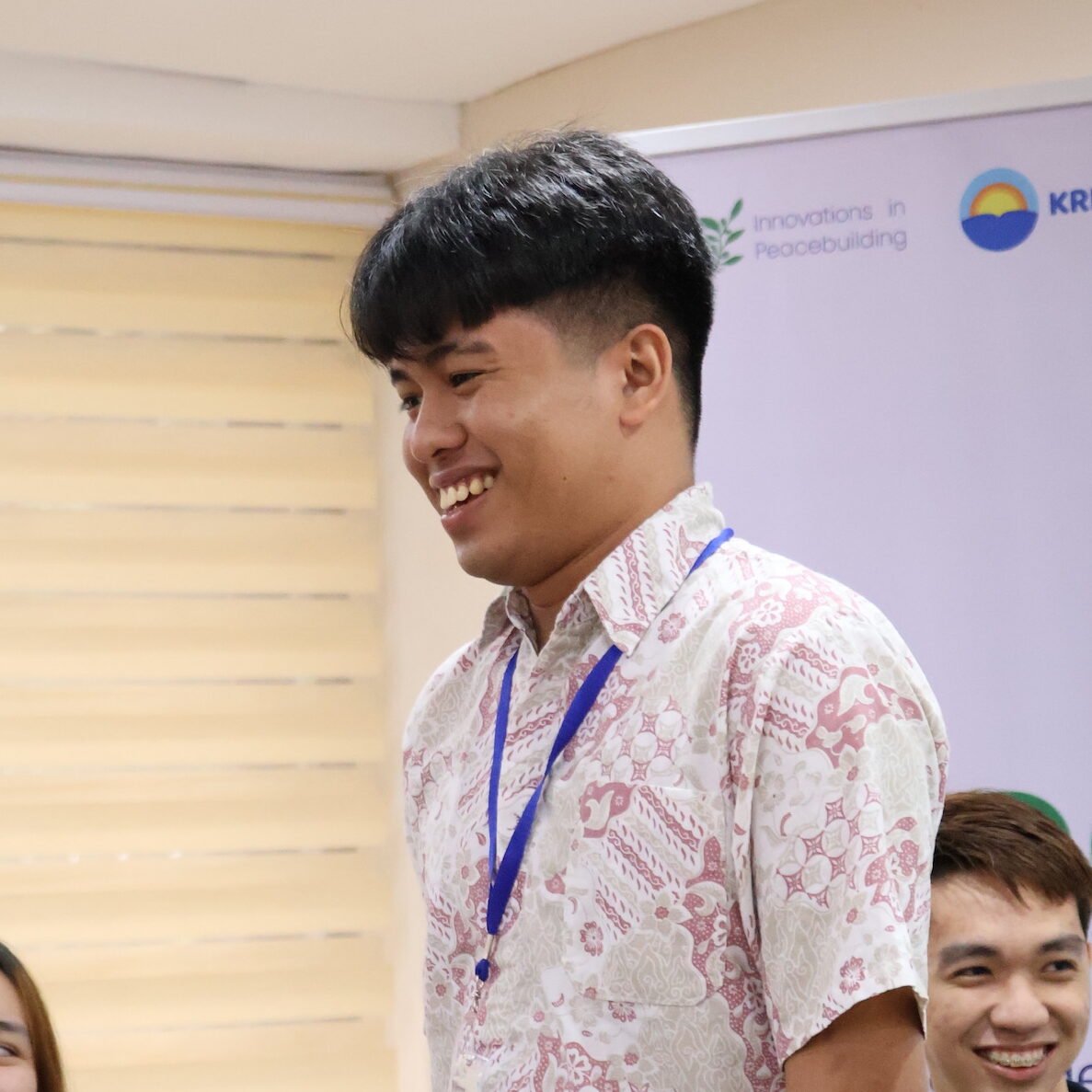
When I was selected as one of the nine fellows for the Aspiring Peacebuilders Seminar (now APN) at UP Diliman in Quezon City for almost a week, I carried doubts with me, like I was sitting in a room I had not earned a place in. Many of the other fellows came from Mindanao, from contexts like BARMM and Zamboanga City, where conflict is not an abstract concept but a lived, daily reality. Others were already working directly in peacebuilding, grounded in long years of practice, movement work, and institutional engagement.
In contrast, I came as the sole representative from the Visayas, without firsthand experience of conflict, and I am more inclined toward theoretical work than field-based practice. I am a debater, campus journalist, a writer with a romantic inclination toward language, an activist in various advocacies, and a philosophy researcher trying to make sense of systems through theory and argumentation. I had my own language to offer, but I could not fully silence the doubt that perhaps it was insufficient in a space where experience seemed heavier, more immediate, and more urgent.
But along the way, that doubt was softened by what the program itself was trying to do. Well, the leading organization is named Innovations in Peacebuilding for a reason. The diversity of the fellows constituted a deliberate methodological process and spoke to me of the idea that peacebuilding is not a rigid discipline, but a convergence of different ways of seeing, naming, and responding to conflict.
What captivated me most during the sessions was not only the lively discussions but also the atmosphere of being heard. When fellows shared stories and experiences about the long psychological afterlife of wars and conflict, there was no hierarchy of suffering being constructed, only a shared effort to understand without reducing each other’s narratives to simplifications.
From that shared ground, we ended our week-long fellowship by designing and presenting capstone projects with the possibility of grant. With guidance from speakers across different fields, we were encouraged to think beyond conventional frameworks, to borrow tools from outside peace studies, and to treat innovation as responsiveness to the real, grounded needs of peacebuilding in the country.
That, for me, is the beauty of APN. It does not ask you to arrive whole; rather, it reveals the best in you throughout the process. Regardless of our backgrounds, skills, and abilities, we can be catalysts in making this world a better place to live in—for ourselves and for our children.